
Professional Espresso at Home
Discover the art and science behind crafting the perfect espresso. Our machines bring café-quality extraction, precision temperature control, and beautiful design to your kitchen.
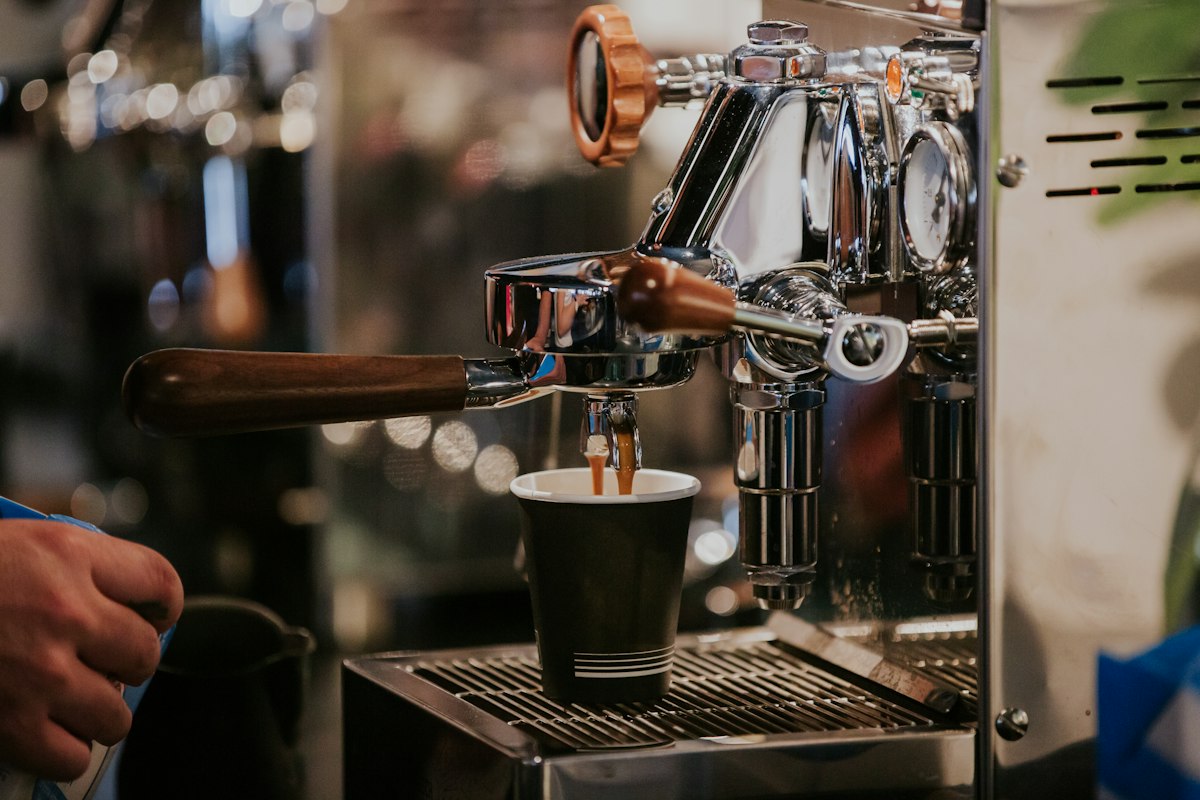
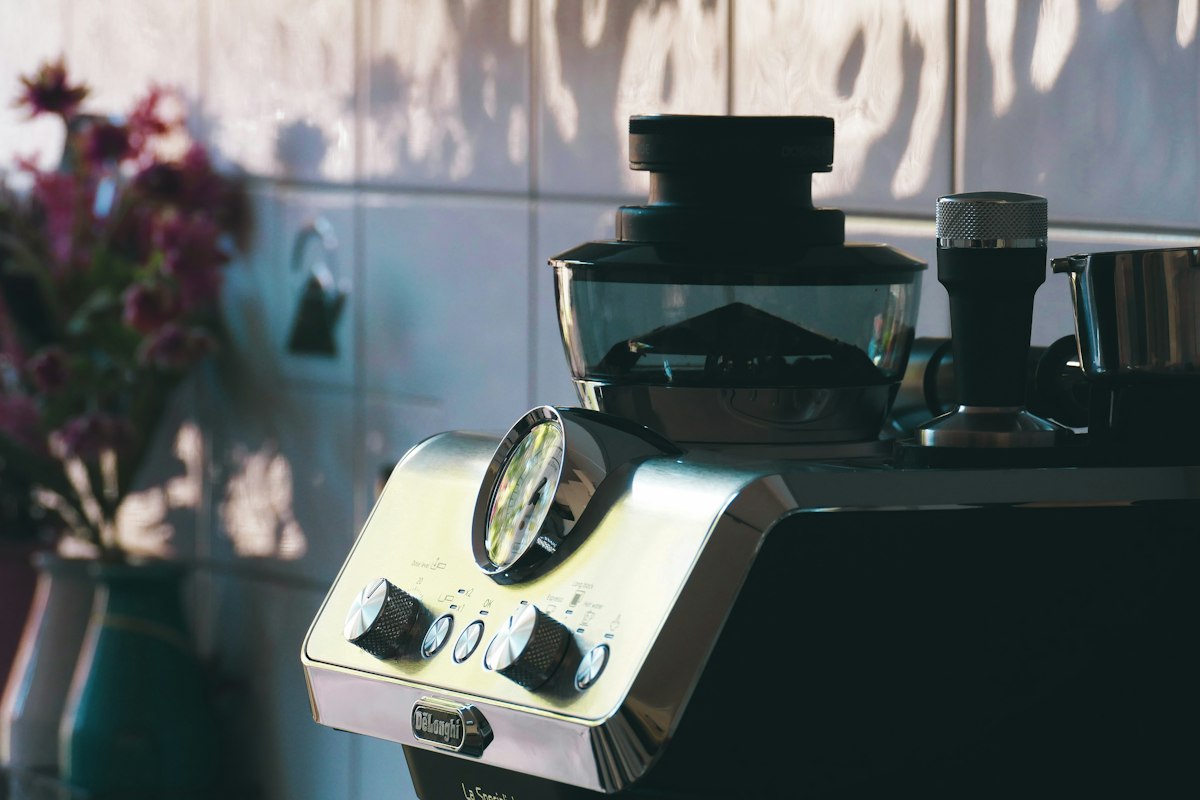
Why Invest in a Quality Espresso Machine
A quality espresso machine isn't just a kitchen appliance—it's an investment in daily rituals and precision coffee craft. The difference between average and exceptional espresso lies in temperature stability, pressure consistency, and water flow control.
Café Quality at Home
Extract rich, complex flavors that rival your favorite espresso bar with precision engineering and consistent results.
Cost Savings Over Time
Stop spending €5–8 per cup. With a home machine, espresso costs drop to €0.50–1.00 per serving within months.
Convenience and Control
Pull a perfect shot whenever you want. Full control over grind size, dose, water temperature, and extraction time.
Key Features That Matter
Every component of a quality espresso machine is designed to support extraction excellence. Here are the features that separate good machines from great ones.
Precision Temperature Control
PID controllers and dual boilers maintain water temperature within ±1°C. This stability ensures consistent espresso flavor with every shot, extracting the full spectrum of your coffee's character.
- Range: 85–95°C water temperature
- Stability: ±1°C variance
- Impact: Proper extraction, no bitter undertones
9-Bar Pressure System
Authentic espresso requires 9 bars of pressure (approximately 130 PSI) to force water through finely ground coffee. This generates the rich, golden crema that defines true espresso.
- Standard: 9 bars (±0.5)
- Effect: Emulsifies oils, creates crema
- Result: 1–2 oz rich concentrate per 25–30 seconds
Boiler Technology
Single boiler machines heat one reservoir; dual boiler machines maintain separate brew and steam boilers for simultaneous espresso extraction and milk steaming without temperature compromise.
- Single: Sequential (brew, then steam)
- Dual: Simultaneous operations
- Advantage: Faster workflow, consistency
Steam Wand Excellence
Professional steam wands inject hot water vapor into milk, creating microfoam with tiny, uniform bubbles. This produces silky texture perfect for cappuccinos, lattes, and flat whites.
- Types: Single-hole, multi-hole, articulated
- Technique: Proper angle creates vortex
- Texture: 160–180°F microfoam (0.5mm bubbles)
Portafilter & Group Head Design
The portafilter basket holds ground coffee; the group head dispenses water. Flat, evenly-distributed water dispersion prevents channeling (uneven extraction) and maximizes flavor complexity.
- Basket sizes: Single (7–9g), double (16–18g)
- Material: Stainless steel for durability
- Key: Level tamping, optimal basket fill
Water Filtration & Supply
Built-in water filters remove chlorine and sediment that degrade flavor and corrode internal components. A robust water system ensures mineral balance for optimal espresso extraction and machine longevity.
- Filters: Carbon-based, replaceable every 2–3 months
- Benefit: Pure flavor, reduced scaling
- Lifespan: Adds years to machine durability
Espresso Machine Types Comparison
Different machine types suit different skill levels, budgets, and workflows. Understand the trade-offs between each.
| Machine Type | Price Range | Skill Level | Best For | Key Pros |
|---|---|---|---|---|
| Manual Lever | €300–€800 | Advanced | Enthusiasts, artisans | Complete control, no electricity required |
| Semi-Automatic | €400–€1,500 | Intermediate | Home users, daily drinkers | Manual control, affordable, learning-friendly |
| Super-Automatic | €1,000–€3,000 | Beginner | Busy professionals, convenience seekers | One-button operation, consistent results |
| Dual Boiler PID | €1,200–€2,500 | Intermediate–Advanced | Serious home enthusiasts | Simultaneous brew & steam, precise temperature |
Visual Showcase
Explore the design and craftsmanship of premium home espresso machines.
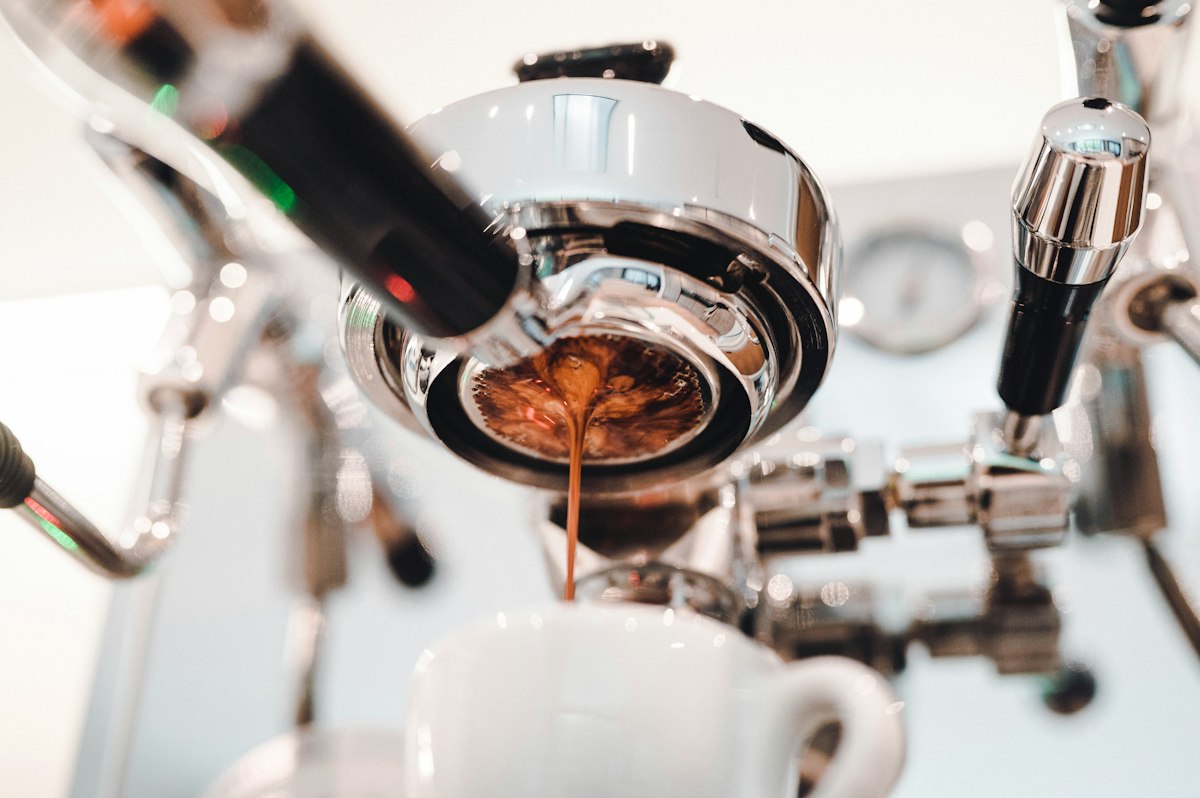
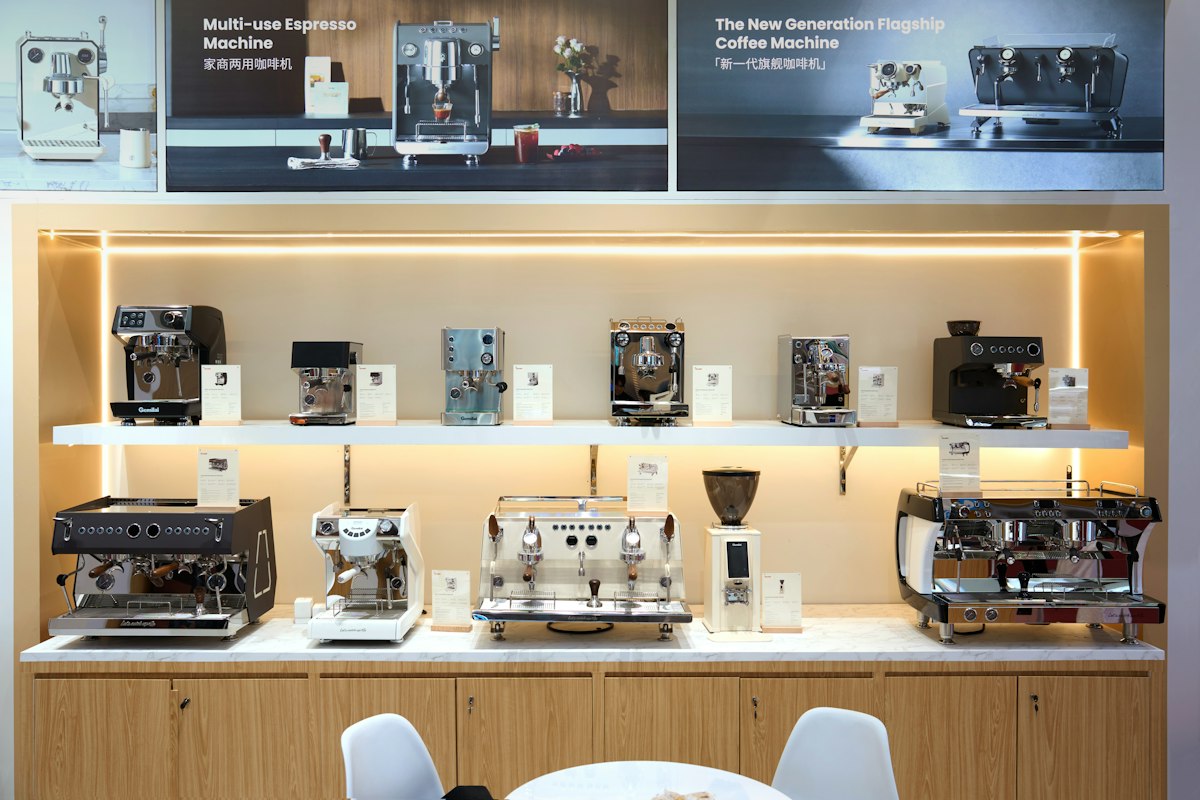
Compact & Modern Design
Sleek machines that fit any kitchen size without sacrificing power or functionality.
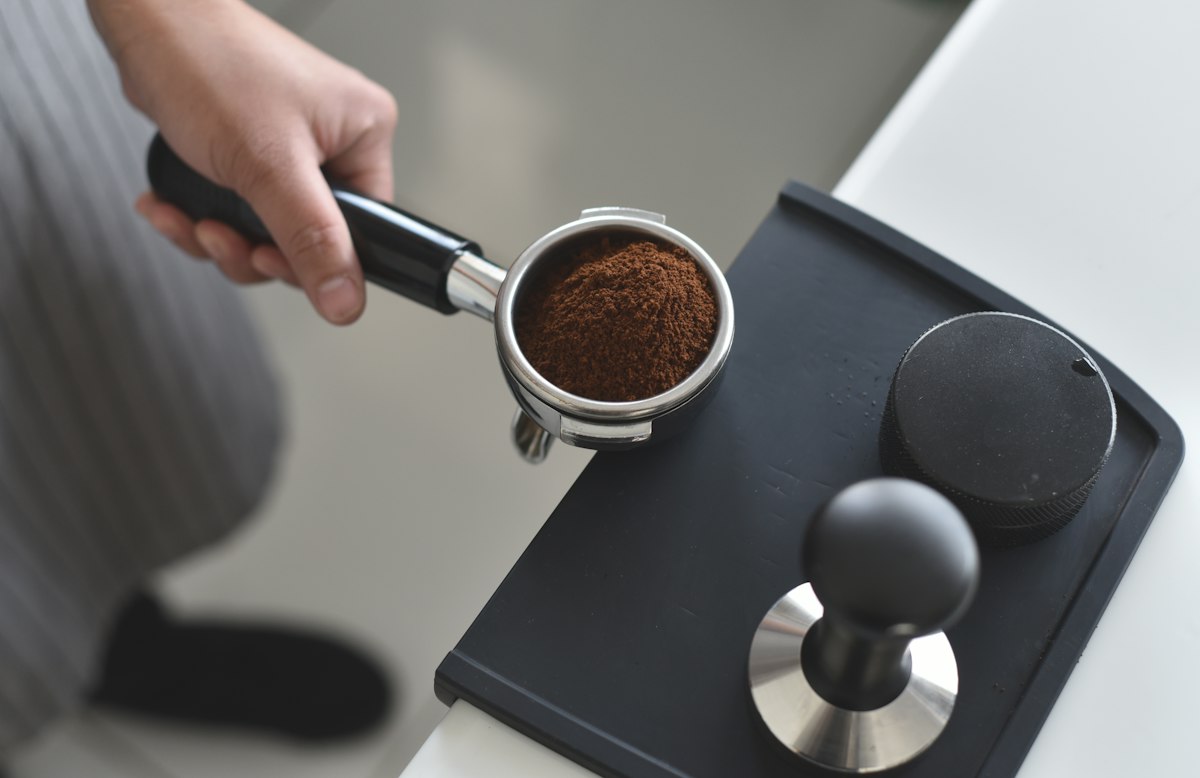
Professional Chrome Finish
Stainless steel and polished chrome construction for durability and café aesthetics.
Golden Extraction
Watch rich, golden crema flow from the portafilter—the mark of a perfect espresso pull.
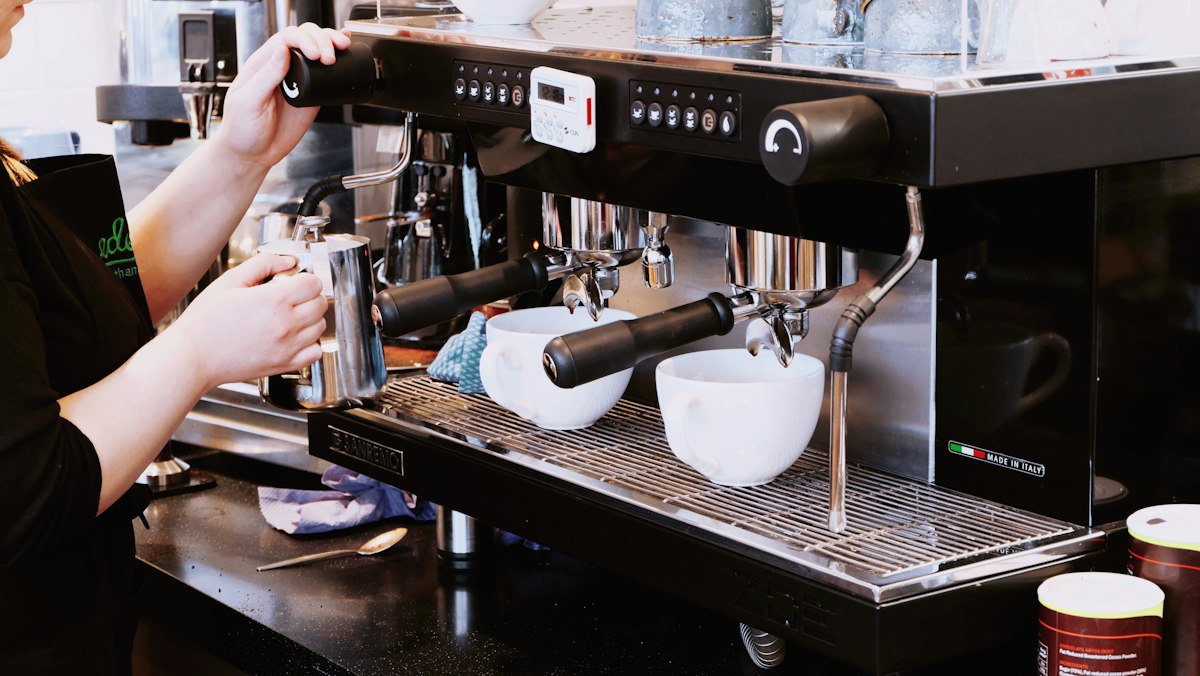
Silky Microfoam Perfection
Professional steam wands create velvety microfoam for lattes and cappuccinos.
The Espresso Extraction Process
Pulling the perfect shot involves precise steps. Understanding each stage helps you master consistency.
Grinding & Dosing
Grind fresh beans to medium-fine consistency (flour texture). Dose 18–20g into double basket for optimal extraction.
Tamping
Press coffee evenly with 30 pounds of force. A level tamp ensures uniform water distribution and prevents channeling.
Extraction
The group head delivers 90°C water at 9 bars pressure. Watch for golden crema within 25–30 seconds. Aim for 1–2 oz output.
Serving
Pour immediately into warm cups. Pair with steamed milk for cappuccinos or enjoy straight as a ristretto or lungo.
Troubleshooting Espresso Challenges
Even small adjustments transform your shots. Here's how to diagnose and fix common issues.
Sour or Underextracted Espresso
Taste: Acidic, thin, weak body.
Causes: Too-coarse grind, insufficient dose, low water temperature, weak tamping.
Fix: Grind finer, increase dose to 18–20g, raise temperature 1–2°C, tamp harder with more evenly applied pressure.
Bitter or Overextracted Espresso
Taste: Harsh, burnt, ashy aftertaste.
Causes: Too-fine grind, excessive dose, high water temperature, over-tamping.
Fix: Grind coarser, reduce dose slightly, lower temperature 1–2°C, ease tamping pressure—aim for 25–30 second extraction time.
Weak or Thin Crema
Appearance: Minimal foam, pale golden color.
Causes: Stale beans, inadequate pressure, improper tamping, bean quality.
Fix: Use fresh beans roasted within 2–4 weeks, check machine pressure (should read 9 bars), ensure tamping consistency, verify group head cleanliness.
Inconsistent Results Shot-to-Shot
Problem: Variable extraction, unpredictable flavors.
Causes: Inconsistent tamping, variable grind size, water temperature fluctuation, dirty group head.
Fix: Standardize tamping technique and pressure, use a burr grinder for uniform particle size, clean group head daily with espresso cleaner, backflush if machine allows.
Frequently Asked Questions
Everything you need to know about choosing and using a home espresso machine.
Espresso is a concentrated coffee beverage made by forcing hot water through finely ground coffee at high pressure (9 bars). It produces 1–2 oz of thick, rich liquid with a layer of crema on top. Regular drip coffee uses lower pressure and coarser grounds, resulting in a larger, weaker cup. Espresso's intensity and crema are impossible to replicate with standard brewing methods.
Entry-level semi-automatic machines start around €400–€600. Mid-range models with better temperature stability and build quality range €700–€1,500. Premium dual boiler machines and espresso-specialized models run €1,500–€3,000+. Roastperfectshop offers machines across all these price points, allowing you to choose based on skill level and budget. Remember to budget for a quality burr grinder (€150–€400) and accessories.
Yes, absolutely. A quality burr grinder is essential—never use pre-ground coffee or blade grinders. Espresso demands consistent, medium-fine particles. Built-in grinders on super-automatic machines are convenient but often sacrifice grind uniformity. A dedicated burr grinder gives you precise control over extraction and flavor profile. We recommend pairing your espresso machine with a grinder from a trusted brand.
Daily: Purge water through the group head before pulling shots. Backflush the portafilter (if your machine allows). Purge steam wand immediately after steaming milk. Weekly: Deep-clean the portafilter, basket, and shower screen with espresso cleaner. Monthly: Run a descaling cycle with food-grade descaler to remove mineral buildup. Regularly replace water filters (every 2–3 months). Proper maintenance extends machine life by years and ensures consistent quality.
Look for beans with a medium to dark roast profile, as they develop the rich, bold flavors espresso demands. Check for a glossy surface (indicating proper oil extraction), and ensure beans are freshly roasted (within 2–4 weeks). Single-origin beans offer distinct flavor notes, while blends provide balanced complexity. Consider the origin region—Italian beans tend toward chocolatey notes, while African beans offer fruity, acidic characteristics. Always choose whole beans and grind just before brewing for maximum freshness and crema development.
What Our Customers Say
"Roastperfectshop's espresso beans have completely transformed my morning routine. The flavor is rich, consistent, and absolutely divine. I'm a customer for life!"
— Sarah Mitchell
Coffee Enthusiast, Seattle
"I've tried countless coffee brands, but Roastperfectshop delivers unmatched quality. Their customer service is outstanding, and the beans arrive fresh every time."
— James Hernandez
Barista, Portland
"As a café owner, I depend on consistent quality. Roastperfectshop never disappoints—their beans are perfect for both espresso and filter coffee."
— Emily Chen
Café Owner, San Francisco